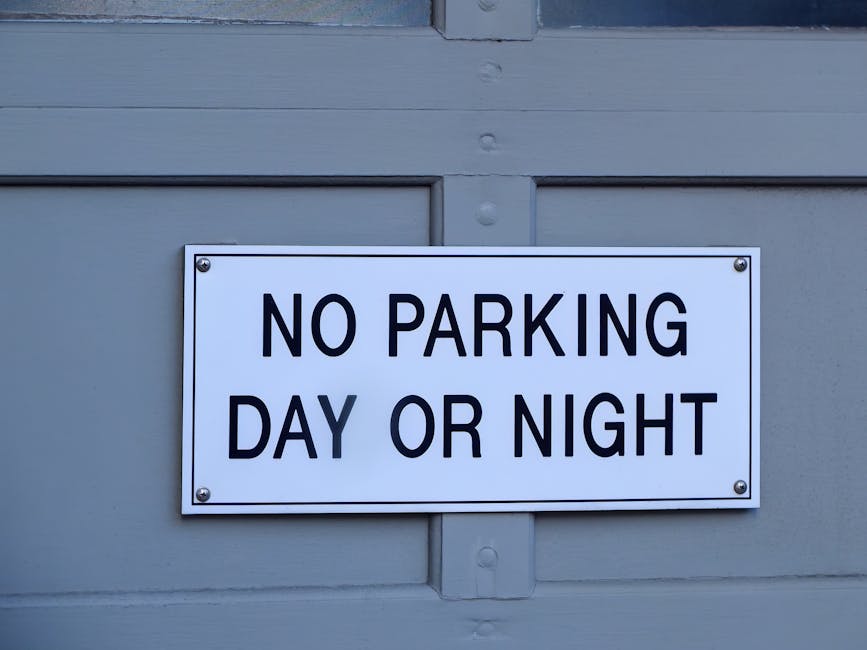
Brent council parking and loading rules for removals

If you are moving house or shifting an office in Brent, the parking side of the job can be the bit that catches people out. The boxes may be packed, the van booked, and everyone ready to go - then the driver has nowhere legal to stop. That is where Brent council parking and loading rules for removals matter. Get them wrong and you can end up with delays, extra costs, or a very annoying penalty just when you are trying to keep the day moving.
This guide breaks the subject down in plain English. You will learn how loading and parking restrictions typically work, what to check before moving day, how to reduce the risk of fines, and how to plan a cleaner, calmer removal in Brent. It is written for people who need the practical answer, not just the theory. And let's face it, on moving day, theory is not what gets the sofa through the door.
Why Brent council parking and loading rules for removals matter
Loading a van is not the same as casual parking. In many London boroughs, including Brent, the difference between a permitted loading stop and an illegal wait can be narrow. That matters because removals involve repeated trips, heavy items, and a vehicle that often needs to sit close to the property for a short but intense window of time.
For a home move, the driver may need to stop outside the property while furniture is carried in or out. For a business move, it may be a lift of boxes, filing cabinets, computers, or stock. If the stop is not done correctly, the driver can be forced to park further away, which means longer carry times, more labour, and more chance something gets chipped, wet, or dropped. In a word: hassle.
There is also a safety angle. A van parked half on a kerb, or in a spot where traffic is tight, creates risks for pedestrians, cyclists, and the people lifting items. Good parking planning is part of safe removals, not just a box-ticking exercise. Our health and safety policy explains the kind of care expected on every job, and that mindset is exactly what helps on a constrained street in Brent.
Here is the practical reality. If you are moving on a busy road, near a school run, or in a zone where bays are heavily controlled, the parking plan can shape the whole day. A van that can load close to the entrance saves time, reduces carrying distance, and keeps the move smoother for everyone.
How Brent council parking and loading rules for removals works
In Brent, as in much of London, the key idea is simple: parking restrictions and loading exemptions are not the same thing. Some bays and lines allow loading for a limited period. Others may not. Some restrictions may still apply even if you are moving house, unless the stop fits the local rules and signage. So the first step is always to read the road markings and signs on the street itself.
Removals usually fall into one of three practical situations:
- Legal loading - the van stops for the purpose of actively loading or unloading goods, and the activity is continuous and reasonable.
- Restricted parking with a permit or dispensation - in some cases, a temporary arrangement may be needed if loading cannot be done under normal rules.
- No stopping or stricter restrictions - certain streets or times may make roadside loading difficult or impossible without prior planning.
That last point catches people out more often than you would think. A removal van may look like it should simply be able to pull up and pause, but that is not how enforcement sees it. If the vehicle is waiting while no actual loading is happening, or if the load is not being moved in a genuine and continuous way, the stop can fall outside what is allowed.
So what does "continuous" mean in practice? It usually means the team is actively carrying items, preparing items, or in the middle of the loading task. A tea break, a long phone call, or leaving the van unattended while you hunt for a key is a different story. Not ideal. Not at all.
For a move in a controlled street, the smart approach is to treat parking as part of the job brief. Build it into the plan before the van arrives. If you need a broader moving solution, it can help to look at the service pages for man and van support, home moves, or office removals, depending on the type of move.
Key benefits and practical advantages
Getting the parking and loading side right gives you more than peace of mind. It changes the quality of the move in very real ways.
- Fewer delays: The team can start sooner and keep momentum through the day.
- Lower risk of fines: Good planning reduces the chance of avoidable penalties or complaints.
- Shorter carrying distance: That means less fatigue and less chance of knocks or drops.
- Better safety: A properly chosen loading point is easier for people and vehicles to manage.
- Smoother scheduling: If the van is parked legally and logically, the rest of the move is easier to coordinate.
There is also a subtle but important benefit: your move feels less chaotic. Anyone who has moved in London knows the strange pressure of a street that seems calm until a bin lorry appears, a neighbour needs to reverse out, and the van door is still open. Good loading arrangements reduce that stress before it starts.
If you are comparing different removal options, it is worth checking how the company approaches access planning, parking, and safety. A well-run removal company should be comfortable discussing the parking setup rather than brushing it off. If you are moving a heavier load, moving van or removal van choices may also matter depending on the street width and the amount you are moving.
Who this is for and when it makes sense
This topic matters to more people than you might first think. It is not just for large household moves.
- Home movers: Anyone moving from a flat, terrace, maisonette, or shared property in Brent.
- Landlords and tenants: End-of-tenancy removals often happen under time pressure.
- Small businesses: Shops, studios, consultancies, and offices often need loading close to the entrance.
- Students and sharers: Even a smaller move can involve awkward parking if the street is busy.
- Furniture collections: Large items need close access and a clear loading plan.
It makes sense whenever the property is on a street with controlled parking, narrow access, pay-and-display bays, or loading restrictions. It also matters if the item list includes bulky furniture, white goods, or fragile office equipment.
In our experience, the biggest difference is not the size of the move. It is whether the access was thought through early. A tiny flat move can become a headache if the van cannot stop near the door. By contrast, a bigger move can feel surprisingly manageable when the loading bay, timing, and route are all lined up. Funny how that works.
Step-by-step guidance
Use this process to keep the move practical and compliant.
- Check the street signs outside both properties. Look for bay restrictions, loading information, time limits, and any resident-only or permit conditions.
- Work out the loading window. Estimate how long the van will need to stop, not just how long the journey takes.
- Decide whether a permit or special arrangement is needed. If the street is heavily restricted, you may need to plan an alternative place to stop or arrange something in advance.
- Tell the removal team about access issues early. Narrow roads, low bridges, one-way systems, front-garden steps, and long carries all affect parking strategy.
- Prepare items before the van arrives. Keep boxes closed, labels visible, and key furniture disassembled where possible.
- Keep the loading area active. Once the van is on site, avoid unnecessary pauses so the stop remains clearly for loading purposes.
- Build in a little spare time. Even the best plan can be disrupted by traffic, neighbours, weather, or a delivery truck blocking the road for five minutes. It happens.
If you are booking support for a specific type of move, the related service pages can help you shape the right plan. For example, house removals are often easier to organise with a clear loading timetable, while commercial moves may need tighter access and a faster turnaround.
Simple rule: the fewer assumptions you make about parking, the better the move usually goes.
Expert tips for better results
After plenty of removals in busy London streets, a few patterns stand out.
First, do not guess the loading rules from memory. Two streets that look similar can be treated very differently. One may allow short loading at certain times; the other may not. Read the sign on the day, not just the street name on your booking form.
Second, think about the van size. A larger vehicle can mean fewer trips, but it can also be harder to position in a tight road. Sometimes a smaller vehicle is the smarter choice if the access is awkward. That is one reason a flexible man with van or man with van removal setup can work so well for certain Brent streets.
Third, protect the loading team's flow. Keep lifts clear, stairways tidy, and the route between door and van as open as possible. It sounds obvious, but a stray shoe rack or laundry basket can slow everything down just enough to matter.
Fourth, be realistic about timing. If the morning is usually busy on your road, avoid setting the tightest loading window right in the middle of it. Early starts are often kinder. So are quieter days. A 7:30 a.m. street can feel very different from a 9:00 a.m. one.
Fifth, check the paperwork. If your move involves specific instructions, parking notes, or insurance details, keep them together. Our pages on insurance and safety and terms and conditions are helpful for understanding the kind of operational standards a professional service should follow.
Common mistakes to avoid
Most parking problems in removals come from a handful of avoidable mistakes. The frustrating part is that they are usually easy to prevent.
- Assuming loading is always allowed: It is not. Signs matter, and so does timing.
- Leaving the van unattended for too long: If no loading is happening, the vehicle may no longer be covered by an exemption.
- Ignoring the return journey: It is one thing to unload at the new property, another to get the van back out again without blocking traffic.
- Not briefing movers properly: If the driver does not know the access plan, the crew loses time.
- Forgetting the destination street: People often focus on the old address and forget the new one may be even tighter.
A slightly awkward but very real mistake is overconfidence. "It should be fine" is not a parking strategy. Neither is "we'll just be five minutes." Five minutes can become fifteen, and fifteen can become a ticket or a blocked road. To be fair, moving days are chaotic enough without adding avoidable uncertainty.
Tools, resources and recommendations
You do not need fancy software to manage removal parking well, but a few simple tools help a lot.
- A written access plan: Keep the loading point, timing, and contact numbers in one place.
- Photos of the street signs: Handy if you want to double-check restrictions later.
- Floor plans or item lists: These help estimate loading time and vehicle size.
- Packaging supplies: Proper boxes, tape, and labels reduce the time items spend waiting by the van.
- Professional advice: A seasoned mover will often spot access issues before they become problems.
If you are planning a bigger move, it can also help to review packing and unpacking services. Better packing usually means faster loading, and faster loading usually means less pressure on the parking side. The knock-on effect is real.
For budget planning and comparing options, the pricing and quotes page is useful, especially if you want to understand how access difficulty may affect the job setup. If you are still browsing, the main removals page gives a broader view of the moving services available.
Law, compliance, standards, and best practice
This is the part people sometimes overlook, but it is central to a smooth move. Parking and loading in Brent should be approached with the road markings, time restrictions, vehicle behaviour, and public safety in mind. In practice, that means you should not treat a removal van like a private car on a quiet suburban visit. The expectations are different.
Best practice usually includes:
- checking the exact signs at the location;
- only stopping while loading or unloading is genuinely taking place;
- avoiding obstruction of pavements, crossings, and driveways;
- keeping the move as efficient as possible;
- using sensible manual handling and vehicle positioning;
- following any site-specific instructions from the property manager or building staff.
If you are moving from an apartment block or managed building, there may be separate rules for service lifts, communal bays, delivery bays, or concierge coordination. Those building rules can sit alongside council restrictions, not instead of them. That is why the whole access picture matters.
It is also sensible to work with a provider that takes compliance seriously. Our about us page gives you a sense of the company approach, and the recycling and sustainability page is useful if your move involves unwanted items that need responsible handling.
Options, methods, and comparison table
Different move types call for different parking approaches. Here is a simple comparison to help you think it through.
| Approach | Best for | Strengths | Watch-outs |
|---|---|---|---|
| Short roadside loading stop | Quick home moves, small flats, a few bulky items | Fast, efficient, close to the door | Needs careful timing and clear compliance with signs |
| Pre-planned controlled loading | Busy roads, managed buildings, office relocations | More reliable, less disruption | Requires better preparation and communication |
| Smaller vehicle with easier access | Narrow streets, tight turns, restricted bays | Easier to position, often less stressful | May need more trips if the load is large |
| Larger van or truck setup | Full house moves, heavier furniture, bigger office jobs | Can reduce the number of runs | Harder to manoeuvre in some Brent streets |
There is no one perfect option. The right choice depends on the road layout, the amount you are moving, and how tight the timetable is. A smart mover does not just ask, "How much do we have?" They ask, "Where can the vehicle actually sit safely and legally?"
Case study or real-world example
Picture a typical Brent flat move on a Friday morning. Two people are leaving a third-floor property with no lift, a narrow stairwell, and a street that fills up quickly with local traffic. If the van arrives without a parking plan, the driver may circle once or twice, then settle for a spot that adds a long carry to the front door.
Now compare that with a planned approach. The movers know the street layout in advance, the loading area is identified, boxes are ready by the front entrance, and the heaviest items are wrapped and staged first. The van stops, loading begins immediately, and the team keeps moving. Fewer pauses. Less backtracking. Less grumbling about the stairs, which, frankly, is always a good thing.
The difference in outcome is not dramatic in a cinematic sense. It is more practical than that. Less waiting. Less stress. Fewer things going wrong. The move still feels like a move - noisy, busy, slightly sweaty by the end - but it runs on rails instead of guesswork.
That is really the point of understanding Brent council parking and loading rules for removals. It is not about bureaucracy for its own sake. It is about making the day work.
Practical checklist
Use this before moving day and again when the van arrives.
- Check the road signs at both addresses.
- Confirm whether loading is allowed at the planned time.
- Tell the removal team about access problems, narrow roads, or heavy furniture.
- Keep the route from property to van clear.
- Prepare boxes, labels, and dismantled furniture early.
- Have keys, contact details, and any building instructions ready.
- Keep loading active once the vehicle is in place.
- Allow extra time for traffic, parking manoeuvres, and unexpected delays.
- Check whether your job is better suited to a man with a van, a larger moving truck, or a more tailored removal services package.
- Keep the move safe, steady, and calm - that last bit matters more than people think.
Get a free quote today and see how much you can save.
Conclusion
Brent council parking and loading rules for removals can feel fiddly at first, especially if you are already juggling keys, boxes, and a moving date that seems to have arrived too quickly. But once you break it down, the job becomes manageable. Read the signs. Plan the access. Keep loading active. Match the vehicle to the street. Simple enough, though not always easy.
The real win is not just avoiding fines. It is creating a move that feels controlled instead of rushed. That means less strain on everyone, fewer surprises, and a much better chance of ending the day with the furniture intact and your nerves still in one piece.
If you want support from a team that understands the realities of London access, Brent streets, and the practical side of moving, start by reviewing the relevant service pages and planning early. A thoughtful move is nearly always a better move.
And honestly, there is something satisfying about getting it right first time. Quiet little victory.
Frequently Asked Questions
Can a removals van stop in a loading bay in Brent?
Sometimes, yes, but only if the bay and the timing allow loading under the local restrictions. The key is to check the signage on the street and make sure the stop is genuinely for loading or unloading.
Do Brent council parking and loading rules for removals apply to private house moves?
Yes. The fact that you are moving home does not automatically override parking rules. The van still needs to comply with the road markings, bay conditions, and any time restrictions in place.
How long can a van usually stay while loading?
There is no single answer that applies everywhere. It depends on the street, the sign, and whether loading is continuous. In practice, keep the stop as short and active as possible.
What happens if the van is parked but no one is loading?
That can be a problem. If the vehicle is simply waiting without active loading or unloading, it may no longer fall within the loading exemption. This is one of the easiest mistakes to avoid with good planning.
Should I book a smaller van for a tight Brent street?
Often, yes. A smaller van can be easier to position and may reduce stress on narrow roads. On the other hand, a larger move may justify a bigger vehicle if access allows. It depends on the street and the load.
Do office removals need different parking planning from home moves?
Usually they do. Office moves often involve more items, stricter timing, building management rules, and a need to keep disruption low. That is why planning and coordination matter even more.
Can I leave the van while I carry items upstairs?
If loading is still actively happening and the stop remains lawful, that may be acceptable in some situations. But it is best to keep the process continuous and avoid long gaps. Leaving the van unattended for too long is risky.
What should I tell the removal company before moving day?
Tell them about the street layout, any controlled parking, steps, lifts, narrow entrances, heavy furniture, and the exact access points at both properties. The more they know, the better they can plan.
Is a parking permit always needed for removals in Brent?
No, not always. Some loading situations may be possible without a special permit if the street rules allow it. But where restrictions are tight, a permit or other arrangement may be needed. Check in advance rather than assume.
What is the biggest mistake people make on moving day?
Assuming there will be somewhere obvious to stop. That is the classic one. People focus on packing and forget the street outside may be the real bottleneck. Once that is sorted, the rest becomes much easier.
How can I make loading quicker and safer?
Stage items by the door, label boxes clearly, dismantle bulky furniture early, and keep the route clear. Working with a service that understands access issues also helps. If you are still comparing options, pages like removal company and removals near me can help you think through the next step.
What if my building has its own delivery or loading rules?
Then you need to follow both the building rules and the council or street rules. Managed buildings can have their own procedures for bays, lifts, and access times, so always check those instructions as part of the move plan.
Where can I get help with a move in Brent?
If you want a practical, local moving service, start by looking at the available removal and man-and-van options on the site, then choose the one that fits your property, access, and schedule. A bit of care here saves a lot later.